
nile river cruises egypt
nile river cruises egypt are one of the simplest ways to see the country’s most famous temples without changing hotels every night. You unpack once, sail through Upper Egypt, and wake up close to major sites like Luxor, Edfu, Kom Ombo, and Aswan. This guide breaks down routes, seasons, costs, what’s usually included, how to choose the right ship, and a real-world sample itinerary—so you can book with confidence and avoid common mistakes.
What you actually get on a Nile cruise (set expectations early)
A Nile cruise is a floating hotel + guided sightseeing schedule. Most days follow a rhythm:
- Early morning: Temple visit before the heat and crowds
- Late morning: Breakfast/lunch onboard; sailing or short transfer
- Afternoon: Another site or downtime on the sun deck
- Evening: Dinner, short entertainment, overnight dock or sailing
The core sightseeing zone (why it works)
Most itineraries focus on the Luxor–Aswan stretch because it packs in high-impact sites in a manageable distance (roughly 220 km / 135 miles by river route). You get a lot of history with relatively little driving.
Common myth: “You cruise the whole Nile”
The Nile is about 6,650 km (4,130 miles) long. Typical cruises do not travel anywhere close to that. They cover the most visit-friendly section with established docking, guides, and transfers.
Best routes and trip lengths (choose the right fit)
nile river cruises egypt usually come in three main formats. The “best” choice depends on your time, energy, and how much you want to see in Luxor.
3 nights: Fast highlights
Good for tight schedules.
Usually includes:
- Aswan (Philae Temple)
- Kom Ombo Temple
- Edfu Temple (Temple of Horus)
- Luxor East Bank (Karnak and/or Luxor Temple)
Watch-outs:
- Less breathing room if you want West Bank sites (Valley of the Kings)
4 nights: Best balance for most travelers
This is the sweet spot if you want strong highlights + better pacing.
Often adds:
- Luxor West Bank (Valley of the Kings, Hatshepsut Temple)
- More relaxed sailing blocks
7 nights: Slow travel and deeper sightseeing
Best if you want more downtime and a less rushed feel.
Often adds:
- Extra time in Luxor
- More sailing (less “bus-tour energy”)
- More onboard programming (cultural talks, themed dinners)
Best time to go: weather, crowds, and price patterns
Upper Egypt is hot for much of the year. Timing matters because most temple touring happens outdoors.
Most comfortable months
- October to April is generally easiest for sightseeing.
- December to February is peak demand: cooler days, higher prices, fuller ships.
Hot months (still possible with smart planning)
- May to September can be intense; daytime highs in Upper Egypt often climb well above 38°C / 100°F.
If you go then, prioritize: - Early start tours
- A ship with strong air-conditioning and good shade areas
- More midday rest onboard
Key insight: Crowds are driven by both season and time of day. An early temple visit can feel calm even in busy months.
What’s included (and what often isn’t)
In nile river cruises egypt, packages vary a lot. Don’t assume two “4-night cruises” include the same things.
Often included
- Cabin accommodation
- Breakfast, lunch, and dinner (drinks vary)
- Transfers between ship and sites
- Guided tours on the itinerary schedule (group size varies)
Often not included
- Site entry tickets (sometimes bundled, sometimes extra)
- Tips for guide/driver/crew (many operators suggest a daily amount)
- Drinks (including bottled water on some ships)
- Optional tours (commonly Abu Simbel, hot air balloon, Nubian village)
Practical move: Ask for a written list of inclusions and exclusions. If entry tickets are excluded, request an estimated total so you can compare real trip cost.
How to choose the right ship (quality checks that matter)
Ship marketing can be… enthusiastic. Focus on the things that affect your sleep, comfort, and day-to-day experience.
Cabin checks (do these first)
- Noise: Ask which deck and whether cabins are near engine/club/crew areas.
- Window/view: “Nile view” can still mean you’re docked beside another ship at night.
- Bathroom basics: Water pressure, hot water stability, and drainage.
- A/C performance: Non-negotiable in warm months.
Food and water policy
Ask:
- Are meals buffet, à la carte, or mixed?
- Is bottled water included? If not, what’s the daily cost?
- Can they handle allergies or vegetarian meals reliably?
Guiding quality (huge value driver)
A great guide changes your whole trip. Confirm:
- Language fluency
- Group size (smaller groups = smoother temple visits)
- Whether the guide stays with you for the full cruise or changes by day
When to pay more
A luxury nile river cruise can be worth it if you care about:
- Better soundproofing and sleep quality
- More consistent food and service
- More polished logistics and guiding support
Use this rule: pay for reliability, not for shiny lobby photos.
(And yes, there’s more than one luxury nile river cruise option—compare by ship name and recent reviews, not star ratings alone.)
Benefits, pros & cons, and key insights (quick decision help)
Benefits
- Unpack once: You avoid constant hotel changes.
- Efficient sightseeing: Major sites are bundled into a workable route.
- Great recovery time: You can rest between tours instead of sitting in traffic.
Pros
- Predictable schedule (helpful for first-time visitors)
- Scenic sailing and sunset views
- Easy social vibe if you like meeting other travelers
Cons
- Less flexibility (you can’t freely change the daily plan)
- Docking can be crowded (ships often park side-by-side)
- Evening noise is possible in busy ports
Key insights
- The best experience usually comes from a good guide + a comfortable cabin, not from the fanciest brochure.
- A 4-night plan often feels better than 3 nights because it reduces “constant motion” days.
Practical steps to plan and book (simple, repeatable method)
Use this checklist to reduce surprises.
Step 1: Pick your direction based on flights and pacing
- Luxor → Aswan (often 4 nights): commonly feels more relaxed
- Aswan → Luxor (often 3 nights): can be more compact
Step 2: Lock your “must-see” list
Most travelers prioritize:
- Luxor West Bank (Valley of the Kings + Hatshepsut Temple)
- Karnak Temple
- Philae Temple
- Edfu Temple
Optional but popular:
- Abu Simbel (long early day, but unforgettable)
- Hot air balloon in Luxor (weather dependent)
Step 3: Compare total cost, not headline price
Ask for:
- Entry tickets estimate (if not included)
- Drinks pricing
- Tip guidance
- Optional tour prices
Step 4: Choose the cabin smartly
If you’re sensitive to noise, request:
- Mid-ship cabins (often steadier)
- A deck away from evening entertainment
- Confirmation of bed type (twin vs double)
Step 5: Pack for sun, stone, and early mornings
Bring:
- Comfortable closed-toe walking shoes (temple floors can be uneven)
- Sun protection (hat, sunglasses, SPF)
- Light layers (cool mornings in winter; strong A/C onboard)
- A small day bag (water, tissues, hand sanitizer, small cash)
Onboard life: what your day feels like
Even good trips can feel tiring if you overbook yourself. Plan for recovery time.
Typical day flow (realistic pace)
- 06:00–08:00: temple visit
- 08:00–09:30: breakfast onboard
- 10:00–13:00: sailing or transfer + lunch
- 14:00–17:00: second site or downtime
- 19:00–21:00: dinner and quiet evening
Tips to enjoy the ship (not just the temples)
- Claim deck time at sunrise/sunset (best light, cooler air)
- Keep one afternoon “empty” if you can
- Don’t underestimate how draining heat + history can be
Safety, health, and comfort (common concerns)
Egypt is a major tourism country, and Nile cruising is a well-established route. Still, smart habits help.
Health basics
- Drink enough water (heat + walking adds up)
- Consider electrolyte packets if you sweat a lot
- Use sunscreen daily; temple stones reflect sunlight
Food and stomach comfort
To reduce risk:
- Choose hot foods that are served hot
- Peel fruit yourself
- Be cautious with lukewarm buffet items left out for long periods
Money and valuables
- Carry small bills for tips and small purchases
- Keep passport in a safe place (often your cabin safe), and bring a photocopy for day tours if you prefer
Expert opinion: what experienced planners look for
After building many Egypt itineraries, the pattern is clear: the best trips come from predictable operations.
What I prioritize when recommending a ship:
- Recent guest feedback on A/C, water pressure, and cleanliness
- Clear daily timing (when you tour vs when you sail)
- Guide consistency (one good guide beats multiple average ones)
- Docking strategy (some operators manage noise better than others)
If two cruises look similar, pick the one with the stronger guide and clearer inclusions—it usually delivers better value than a slightly nicer dining room.
Real-world example: a 4-night Luxor → Aswan plan
Here’s a common structure you’ll see on nile river cruises egypt, with time buffers that feel realistic.
Day 1: Luxor (East Bank)
- Embark and settle in
- Karnak Temple (often afternoon)
- Dinner onboard
Day 2: Luxor (West Bank) + sail
- Valley of the Kings early (cooler, better light)
- Hatshepsut Temple
- Sail toward Edfu
Day 3: Edfu + Kom Ombo
- Edfu Temple early (one of Egypt’s best-preserved temples)
- Sail and relax
- Kom Ombo Temple late afternoon or sunset
Day 4: Aswan
- Philae Temple (island setting; great photos)
- Optional: Nubian village visit
- Free time onboard
Day 5: Disembark
Optional add-on:
- Abu Simbel (very early start; plan for a long day)
Common mistakes to avoid (and easy fixes)
Mistake: Booking the cheapest option without ship details
Fix: Confirm ship name, cabin deck, and recent reviews.Mistake: Assuming entry tickets are included
Fix: Get a written inclusions list and a ticket estimate.Mistake: Overfilling every afternoon with add-ons
Fix: Leave at least one open block for rest and sailing views.Mistake: Ignoring docking noise risk
Fix: Request a quiet cabin location; bring earplugs just in case.
Conclusion
If you want an efficient, comfortable way to combine iconic temples with relaxed travel days, nile river cruises egypt remain one of the strongest choices you can make—especially when you book for guide quality, cabin comfort, and clear inclusions. Pick the right season, pace your add-ons, and treat sailing time as part of the experience, not just the time between stops.
FAQ
1) What is the best length for a Nile cruise in Egypt?
For most people, 4 nights is the best balance of sightseeing and rest. 3 nights works if you’re short on time.
2) Do Nile cruises include temple entrance fees?
Sometimes, but often they don’t. Always confirm whether entry tickets are included and ask for an estimated total if they’re excluded.
3) What’s the best month to take a Nile cruise?
October to April is usually best for comfortable sightseeing. December to February has peak crowds and higher prices.
4) Is a Nile cruise good for families?
Yes, if your kids can handle early mornings and walking. Choose a ship with reliable A/C, simple food options, and shorter tour blocks.
5) What should I pack for a Nile cruise?
Bring comfortable walking shoes, sun protection, light layers, a day bag, and small bills for tips and quick purchases.
Suggested image alt text (ideas)
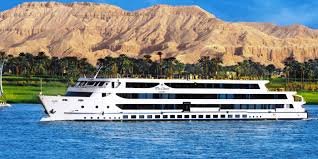
- “River cruise ship sailing near Luxor at sunset”
- “Karnak Temple columns during a guided visit from a Nile cruise”
- “Philae Temple in Aswan seen on a shore excursion”
- “Edfu Temple entrance with visitors arriving from the river”
- “Onboard cabin with Nile-view window and twin beds”
- “Buffet lunch on a river cruise ship in Egypt”
- “Felucca sailboat passing a cruise ship near Aswan”
- “Kom Ombo Temple at golden hour beside the Nile”